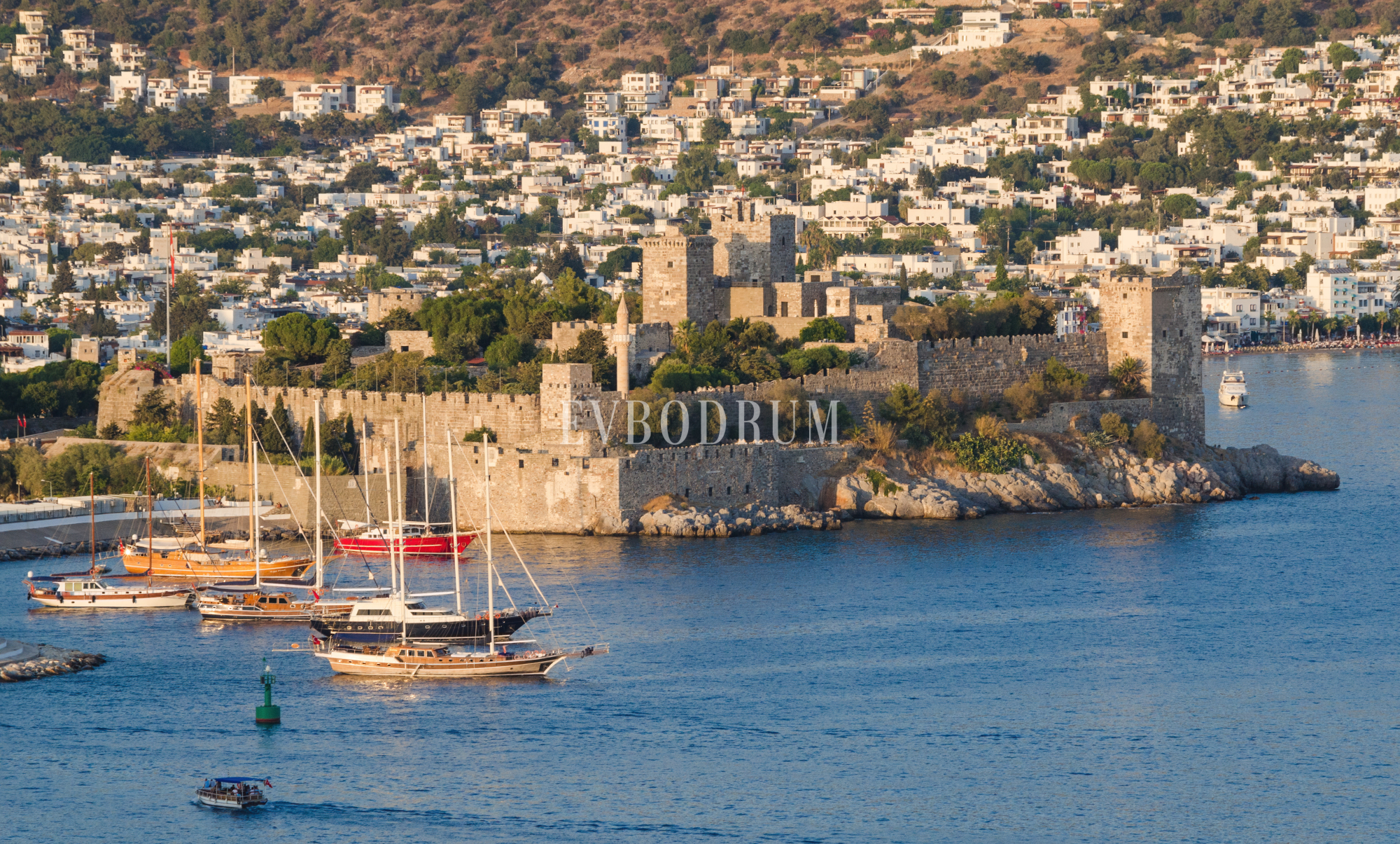
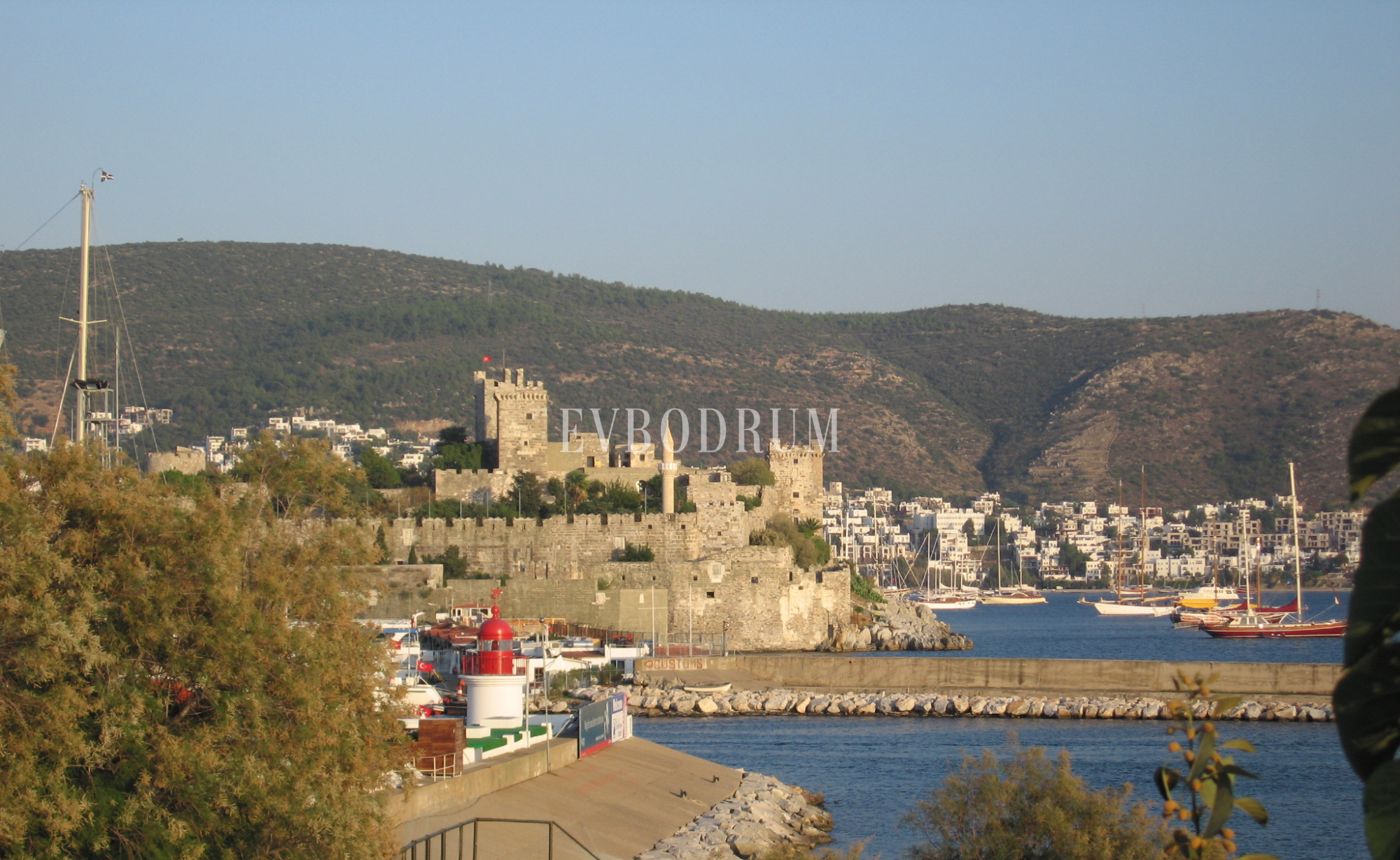
Photos: Serhio Magpie & KaTeznik · Wikimedia Commons (CC BY 4.0 / CC BY-SA 2.0)
Where 3,500 years of history meet the Aegean's most vibrant waterfront — whitewashed streets, the Castle of St. Peter, ancient ruins, and a nightlife that defined Turkish summer culture.
Photos: Serhio Magpie & KaTeznik · Wikimedia Commons (CC BY 4.0 / CC BY-SA 2.0)
Modern Bodrum stands on the ruins of Halicarnassus, birthplace of Herodotus, father of history. The Mausoleum at Halicarnassus — tomb of King Mausolus — was one of the Seven Wonders of the Ancient World. The word "mausoleum" derives from his name.
In the 15th century, the Knights of St. John built their castle on the harbour using stones from the Mausoleum's very ruins — a poetic recycling of greatness. Today that castle is Bodrum's most iconic symbol, visible from everywhere in the bay.
The city has preserved its essential character through millennia: whitewashed cubic houses, bougainvillea-draped walls, a marina always welcoming seafarers, and a culture that values the pleasures of table and sea above everything.
The Bodrum Castle — formally the Castle of St. Peter, built in 1402 — is one of the best-preserved medieval castles in the Eastern Mediterranean and the most iconic image of Bodrum. Its twin towers, visible across the bay, have defined the skyline for over 600 years.
Inside lies the Museum of Underwater Archaeology, housing one of the world's most significant collections of ancient seafaring artefacts. Recovered shipwrecks, Bronze Age cargo, Byzantine treasures, and ancient amphoras fill the halls with extraordinary evidence of the Aegean's maritime past.
Bodrum's nightlife is genuinely one of the finest in the Mediterranean — from the legendary Halikarnas open-air disco to the intimate bars of the old quarter. The city invented the Turkish summer night.
Bodrum Centre is known for the Castle of St. Peter, the ruins of the Mausoleum at Halicarnassus (one of the Seven Wonders), its iconic whitewashed streets, a world-class marina, and Turkey's most celebrated coastal nightlife scene.
Bodrum City Centre is approximately 36 km from Milas–Bodrum Airport (BJV), around 40–50 minutes by car. Havas airport buses serve the city centre directly. Taxis typically cost 500–700 TRY.
Absolutely. The Castle of St. Peter (built 1402) houses the Museum of Underwater Archaeology — one of the world's most significant collections of ancient seafaring artefacts. Allow at least 2–3 hours. The view from the battlements is exceptional.
Bodrum Centre is a year-round destination. July–August bring intense energy and nightlife at their peak. October–November is particularly beautiful: warm sea, far fewer tourists, and the authentic city fully visible. The castle and historical sites are open in all seasons.
The tomb of King Mausolus, built around 353 BC and one of the Seven Wonders of the Ancient World. The word "mausoleum" derives from his name. The Knights of St. John later used the Mausoleum's stones to build Bodrum Castle — the ruins and an exhibition hall are in central Bodrum today.
Among the finest in the Mediterranean. The legendary Halikarnas open-air disco (since 1979), Bar Street (Barlar Sokağı) below the castle, and the old quarter's live music venues cover every style from international DJs to traditional Turkish fasıl. The scene runs until dawn in high season.
Yes — the castle museum, marina promenade, and old quarter streets are all great for families. The area is largely walkable. Families with young children often stay in calmer bays like Bitez or Gündoğan and visit Bodrum Centre for sightseeing and dining.
Yes. Bodrum Centre has the widest property range on the peninsula — from luxury marina apartments to village houses in Kumbahçe. Central location commands premium prices but offers year-round demand, unrivalled amenities, and strong rental potential.