Photos: Koray & cenk.alper · Wikimedia Commons (CC BY-SA 4.0 / CC BY 3.0)
Where the sun sinks behind Rabbit Island
and time bends toward the beautiful
Photos: Koray & cenk.alper · Wikimedia Commons (CC BY-SA 4.0 / CC BY 3.0)
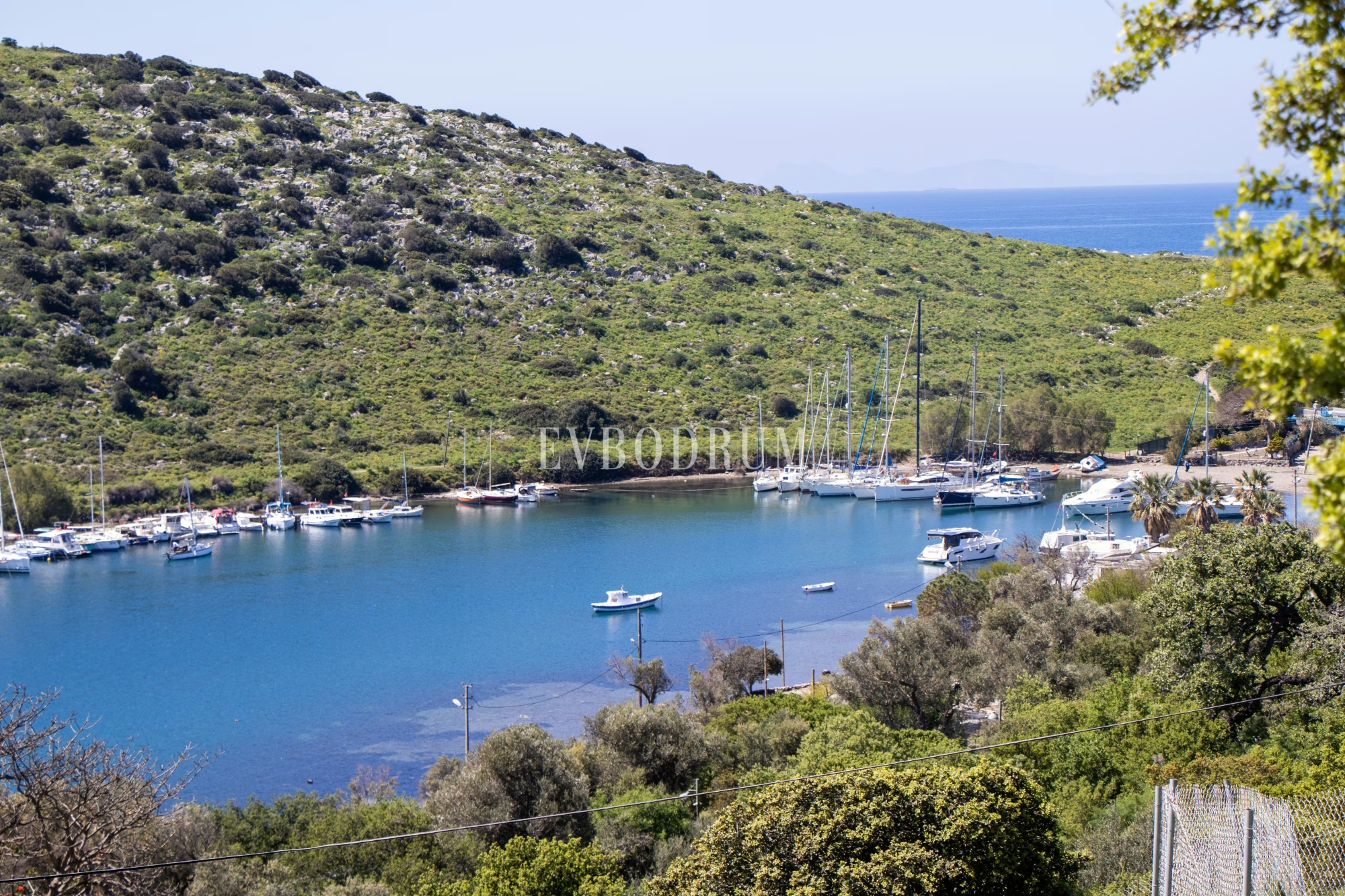
Gümüşlük is the place Bodrum belongs to before tourism. A small fishing village at the westernmost tip of the peninsula, it has managed — through strict conservation laws protecting its ancient ruins — to remain blissfully free of the concrete towers that defined the Turkish Riviera elsewhere.
The settlement stands atop the ancient city of Myndos, and that history explains the low skyline: you cannot build where the archaeologist's trowel might find something. The result is a village of low whitewashed houses, bougainvillea-draped garden walls, and fish restaurants that spread their tables onto wooden platforms over the shallow, crystalline sea.
In the evenings, Gümüşlük earns its legendary reputation. As the sun lines up precisely behind Rabbit Island (Tavşan Adası) — a small islet connected to the shore by a sand bar you can wade across — the sky turns shades of apricot, crimson, and finally deep violet. People come from across the peninsula just to watch it happen over a plate of meze.
Gümüşlük rewards those who slow down. There is no rush here — and those who try to rush simply miss everything that matters.
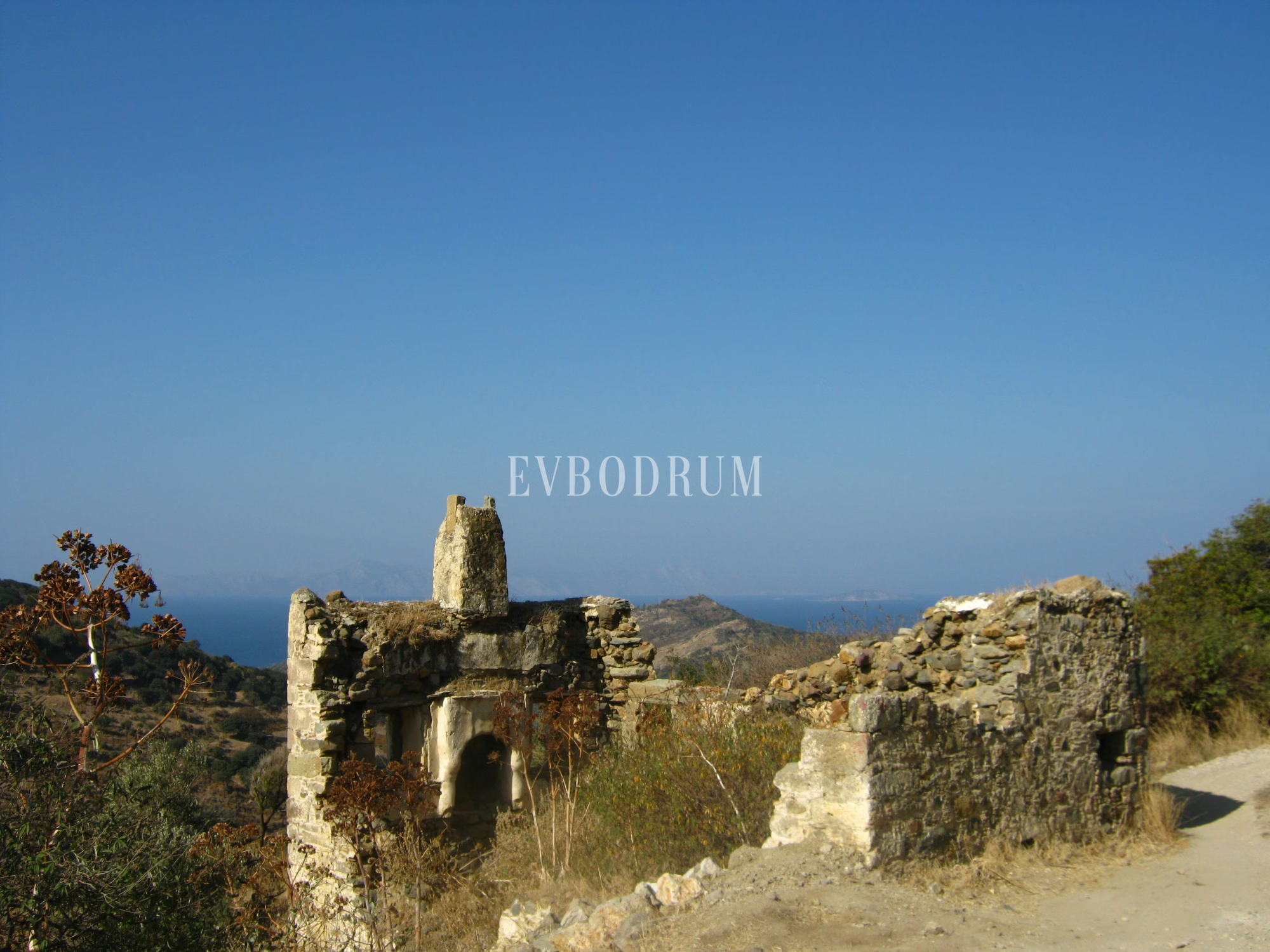
Tavşan Adası — Rabbit Island — is Gümüşlük's most iconic feature. A natural sandbar, only knee-deep at its deepest, connects the shore to this ancient island where Greek walls, Byzantine remains, and wild olive trees coexist quietly.
You wade across in 5 minutes, feet in the warm Aegean, holding sandals aloft. On the island, silence replaces the restaurant chatter of the shore. There are hidden swimming coves, ancient stone carved with inscriptions, and an unobstructed view back toward Gümüşlük — tables lit by warm lamps and voices drifting across the water.
In September, the setting sun aligns perfectly with the island's profile, and the whole scene becomes incandescent. Local lore says that watching this sunset at least once each year brings good fortune.
"The fish tastes different in Gümüşlük. It's the water, the sunset, the rakı — or perhaps simply the knowledge that nowhere else is quite this good."
The cuisine here is Aegean at its most elemental — ingredients sourced from the sea visible from your table, olive oil pressed from groves on the hillside above, herbs foraged from the surrounding hills. Nothing is overthought. Everything is right.
Gümüşlük has two personalities: the vibrant, colourful summer village beloved by artists and gourmands; and the quiet, introspective winter village where year-round residents live in genuine community.
Its spectacular sunset over Rabbit Island (Tavşan Adası), seafront restaurants where tables are set over shallow water, the ancient city of Myndos beneath its streets, and its bohemian character — artists, ceramicists, and musicians have gathered here since the 1970s.
A natural sandbar connects the Gümüşlük shore to Rabbit Island — only knee-deep at its deepest. Simply wade across in 5 minutes holding your sandals. No boat needed. Cross in the afternoon and watch the sunset from the island's western shore, then wade back to your restaurant table.
September is the best month: the famous sunset aligns perfectly behind Rabbit Island, sea temperatures peak, and summer crowds begin to thin. June and October offer genuine tranquility. July–August are wonderful but busy — book restaurants at Limon and Mimoza 2–3 weeks ahead.
Yes — the shallow calm bay is safe for children, the sandbar walk is a favourite family activity, and the relaxed pace suits all ages. The handicrafts bazaar at the village entrance is popular with children. The village has no loud nightlife, making it one of the calmest spots on the peninsula.
Held every July–August at an ancient quarry in the village. Chamber orchestras and soloists perform against a backdrop of ancient stone under the Mediterranean stars. One of Turkey's finest outdoor music events — draws visitors from across the country and Europe.
Gümüşlük sits on the ancient city of Myndos. Turkish heritage conservation laws strictly limit building height and density across the village due to the archaeological significance of the ground beneath. This has preserved its low skyline and human scale while the rest of Bodrum developed.
Approximately 18 km from Bodrum town centre, about 25 minutes by car. By dolmuş, take the Gümüşlük line from Bodrum otogar — approximately 35–45 minutes, running every 30 minutes in summer.
Yes, though the protected heritage zone means supply is limited and prices reflect this scarcity. No further large-scale development is possible, making existing properties highly sought-after. Village houses, garden villas, and small boutique properties are available — one of the most desirable addresses on the peninsula.