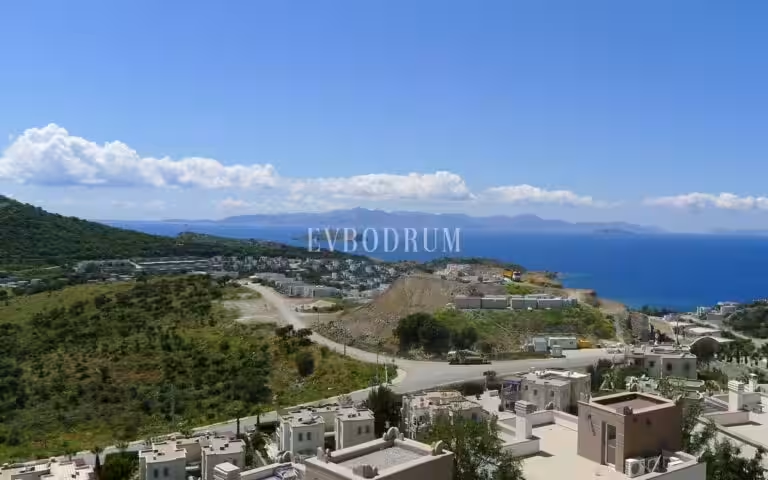
Gümüşlük is a small fishing village at the western tip of the Bodrum peninsula. Because it sits on top of the ancient city of Myndos, it falls under strict heritage protection — the concrete development that reshaped the rest of the peninsula never arrived here. This guide covers the village, Rabbit Island, the restaurants, what to do and the practicalities of a visit.
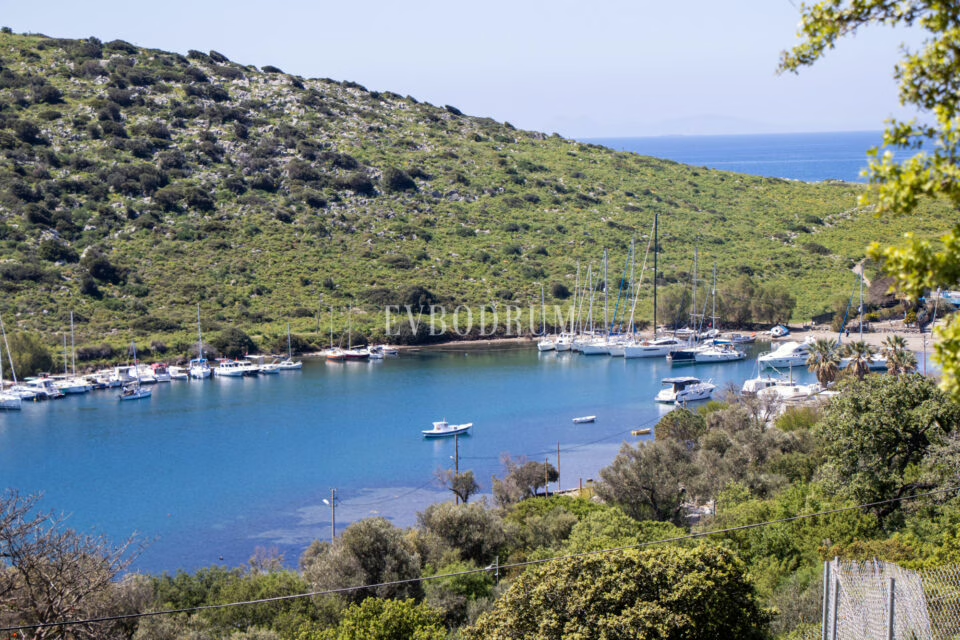
Gümüşlük bay — shallow, clear and sheltered, with the Aegean islands behind
Bodrum’s last wild village
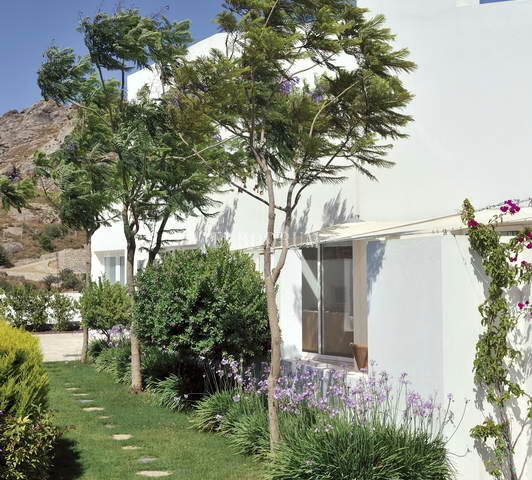
Gümüşlük is where Bodrum belonged before tourism. The settlement stands on the ancient city of Myndos, and that history explains the low skyline: you cannot build where an archaeologist’s trowel might find something. The result is a village of low whitewashed houses, garden walls draped in bougainvillea, and fish restaurants that spread their tables onto wooden platforms above the shallow water.
In the evening Gümüşlük earns its reputation. As the sun aligns exactly behind Rabbit Island — a small islet linked to the shore by a sandbar you can walk across — the sky turns apricot, then crimson, then deep purple. People come from all over the peninsula to watch this over a plate of meze.
Ancient identity
Myndos, 4th c. BC
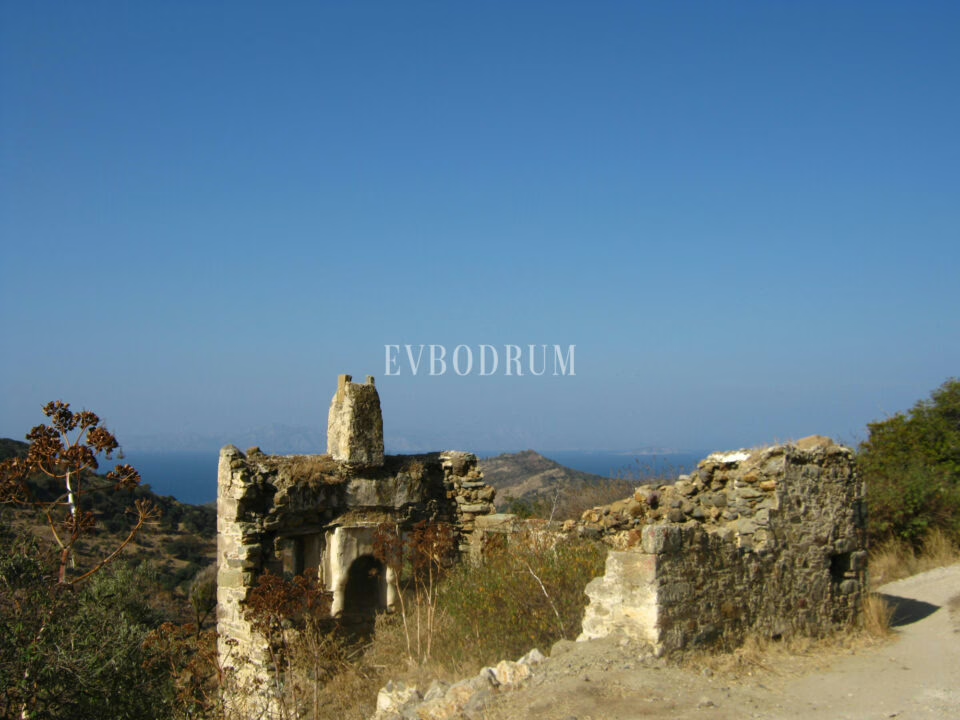
Founded by the Carians, then ruled in turn by Persians, Dorians and Greeks. Alexander the Great failed to take the city. Remains of the ancient walls and harbour are still visible along the shore.
Protection status
Protected heritage site
Because of the archaeological significance of the ground beneath it, building height is strictly limited across the village. This is why Gümüşlük kept its human scale while the rest of Bodrum grew.
Sunset
The September alignment
In September the sun sets exactly behind Rabbit Island, producing Bodrum’s most photographed view. Waterfront tables are booked weeks in advance.
Rabbit Island and the sandbar
Rabbit Island is Gümüşlük’s most iconic feature. A natural sandbar — knee-deep at its deepest — connects the shore to this ancient island, where Greek walls, Byzantine remains and wild olive trees sit quietly together.
Holding your sandals, feet in the warm Aegean, you cross in about five minutes. On the island the restaurant hum of the shore gives way to silence: hidden swimming coves, ancient stones carved with inscriptions and an uninterrupted view back towards Gümüşlük.
Crossingon foot, via the sandbar
Durationabout 5 minutes
Depthknee-deep at most
Best timeafternoon, before sunset
On the islandancient walls, coves, olive groves
Boatnot needed
Myndos remains — some underwater, visible through the shallow, clear sea
What to see and do
Gümüşlük rewards those who slow down. There is no hurry here — and those who try to hurry miss everything that matters.
01
Icon · walk
Cross to Rabbit Island
Walk the sandbar in knee-deep water, explore the island’s remains, swim in isolated coves and look back at the mainland from the ancient walls. One of Turkey’s most unusual walking experiences.
02
History · along the shore
Ancient Myndos
The remains are scattered throughout the village — some underwater, visible from a kayak or paddleboard through the clear sea. Harbour walls, towers and fragments of the necropolis can be explored on foot along the coastal path.
03
Craft · village entrance
The crafts market
Rows of small stalls selling handmade jewellery, sculpture, painted ceramics, woven bags and embroidered textiles — made by artisans who live here year-round. Nothing is mass-produced. The market closes at 20:00.
04
Music · July–August
International Classical Music Festival
Held in an ancient quarry: chamber orchestras and soloists perform on the ancient stone floor under Mediterranean stars. One of Turkey’s finest open-air music events.
05
Water · ancient harbour
Kayak over the ruins
Rent a sea kayak or paddleboard and glide over the submerged remains of the Myndos harbour. The water is shallow and clear enough to see column bases and stone structures beneath you.
06
Ritual · 19:00
The sunset table
In summer, book a waterfront table. Order your first rakı and meze as the light warms; watch the whole village turn towards Rabbit Island. One of nature’s most reliable daily performances.
Where to eat
The cooking here is the Aegean at its purest: ingredients from the sea you can see from your table, olive oil pressed from the gardens on the slope above, herbs gathered from the surrounding hills. Before the fish arrives the meze spread opens — atom, fava, haydari, samphire salad, smoked aubergine; the meze course alone can be a meal. Flambéed prawns are the village speciality, and dinner closes with almond paste and Turkish coffee.
01
Fine dining · hillside
Limon
Long regarded as Bodrum’s best restaurant. Set on a plateau facing the sea, its open-air terrace among the trees offers the finest sunset view in the village. The menu gives Turkish classics a contemporary turn; the legendary lemon börek is reason enough to visit. Book 2–3 weeks ahead.
02
Romantic · waterfront
Mimoza
At the far end of the village, with rustic decor and candlelit tables. Dinner ends with almond paste and coffee — a ritual that has become the reason people make the trip to Gümüşlük. Reserve ahead in summer.
03
Relaxed · seafood
Fenerci
More relaxed than the other waterfront places; a calm interior, genuinely helpful staff and a view over the sea. The grilled octopus is excellent and the salads are full of seasonal produce. Outstanding value for an unhurried dinner.
04
Open in winter
Mini Lokanta
Limon’s winter branch. Gümüşlük largely closes after November; if you visit out of season this is one of the few addresses still open.
Gümüşlük has two personalities: the lively summer village loved by artists and food lovers, and the quiet winter village where year-round residents live in a real community.
Community
Artists’ colony
Painters, sculptors and ceramicists have gathered here since the 1970s. Galleries and studios cluster behind the beach; at night coloured lanterns glow in the waterfront trees.
Pace
The day starts at 13:00
Afternoon on the beach, evening at dinner, night under fairy lights. There is no loud nightlife — which makes Gümüşlük one of the calmest addresses on the peninsula, and suitable for families.
Ground
Living history
Every day you walk over 2,400 years of civilisation: ancient walls serve as garden boundaries, Byzantine mosaics appear underfoot. The water at the beach is among the clearest on the peninsula — shallow, calm and transparent over ancient stone.
Plan your visit
To Bodrum centre18 km · 25 min by car
By dolmuş35–45 min via Turgutreis
Dolmuş frequencyevery 30 min in summer
From Yalıkavak45 minutes
Best monthSeptember
Most peacefulJune and October
Peak seasonJuly – August
Winterlargely closed
Where to stay. Gümüşlük is deliberately small when it comes to accommodation. Liman Hotel Gümüşlük (adults only) is the prestige option, with sea views and a pool; a handful of boutique guesthouses and private villa rentals are scattered through the village. Book 6–8 weeks ahead for summer. Staying the night changes the experience completely — the village transforms once the day visitors leave.
Practical notes. Gümüşlük starts late: come in the afternoon, not the morning. Wear shoes you don’t mind getting wet for the Rabbit Island crossing. Reserve dinner at Limon and Mimoza in advance. Bring cash — the small restaurants prefer it. Don’t rush: this is a place that punishes haste and rewards lingering.
Property in Gümüşlük
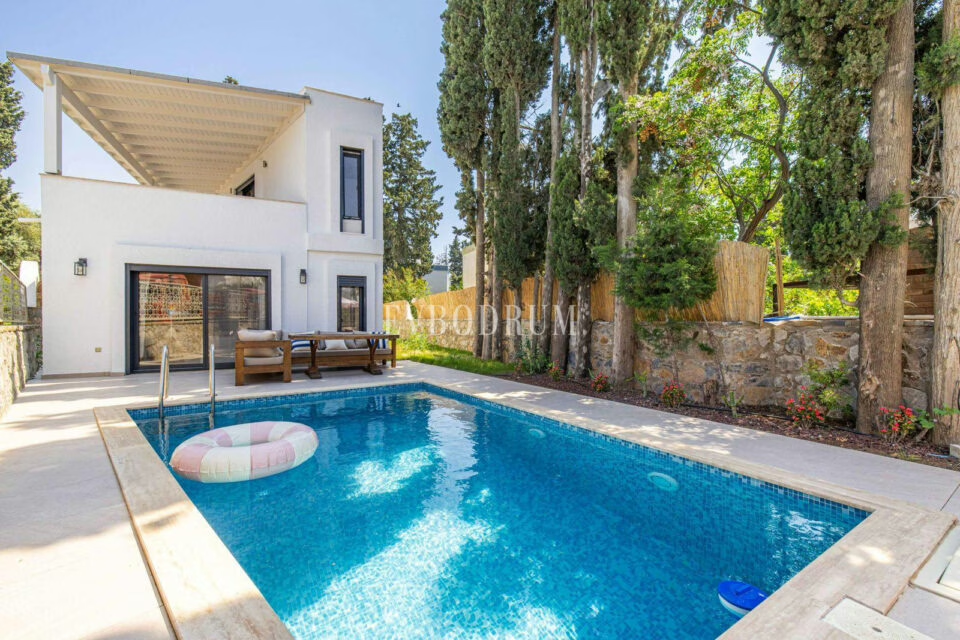
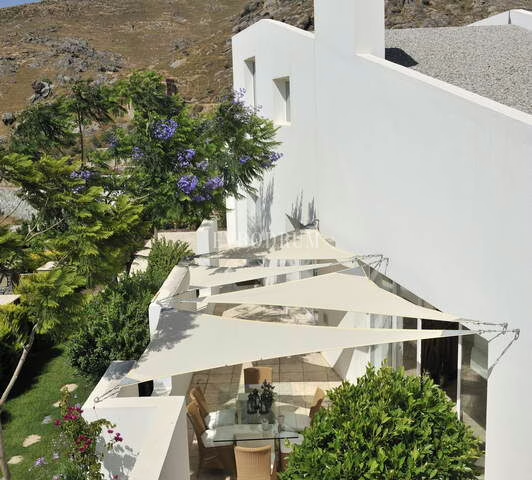
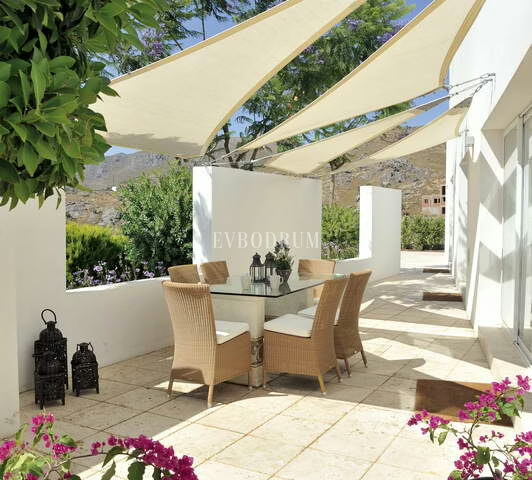
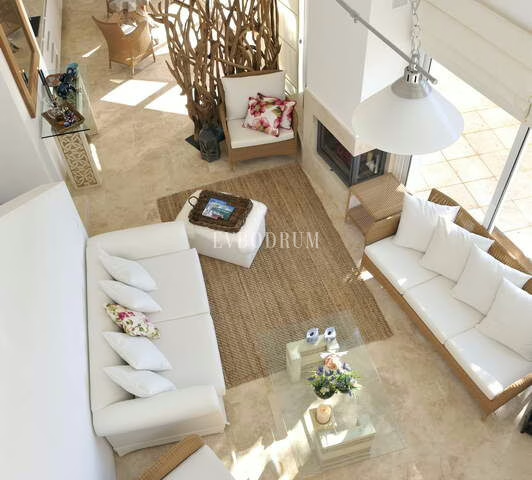
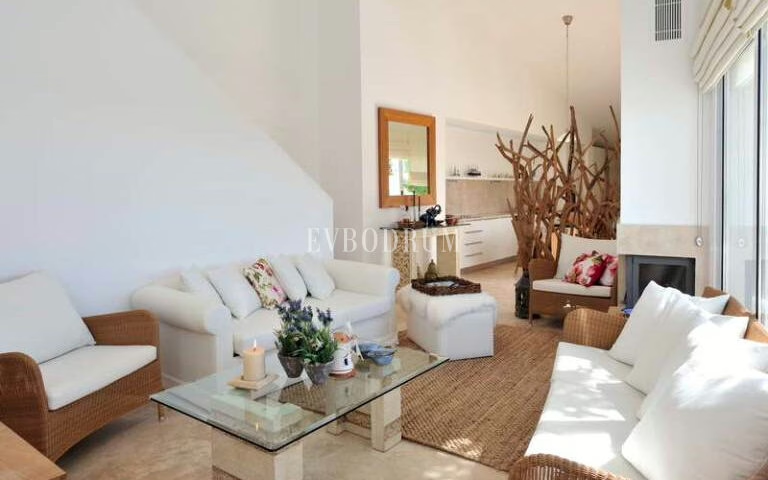
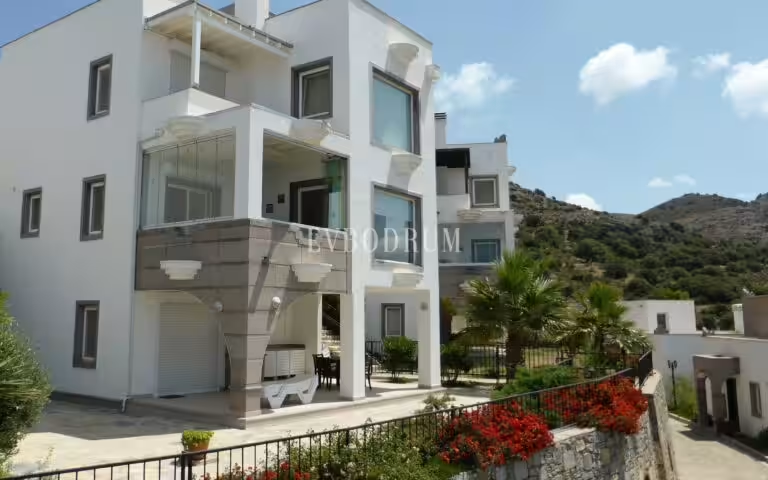
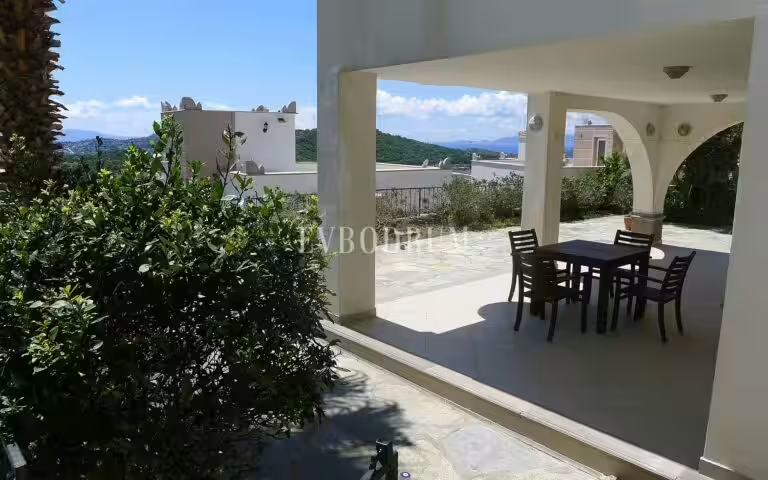
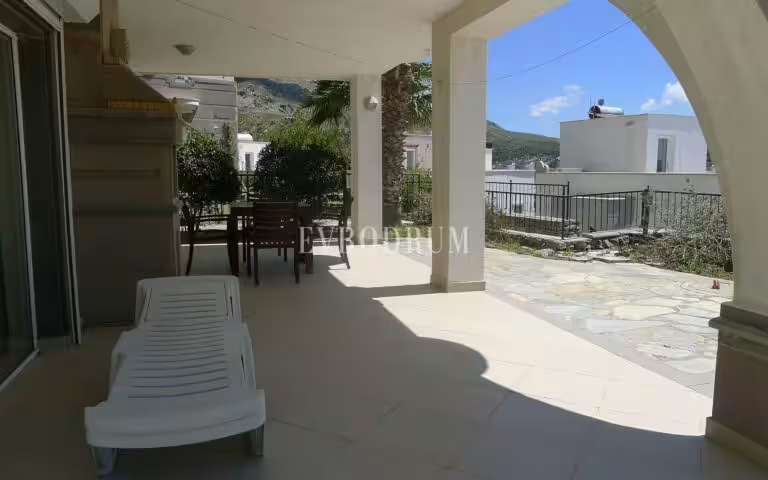
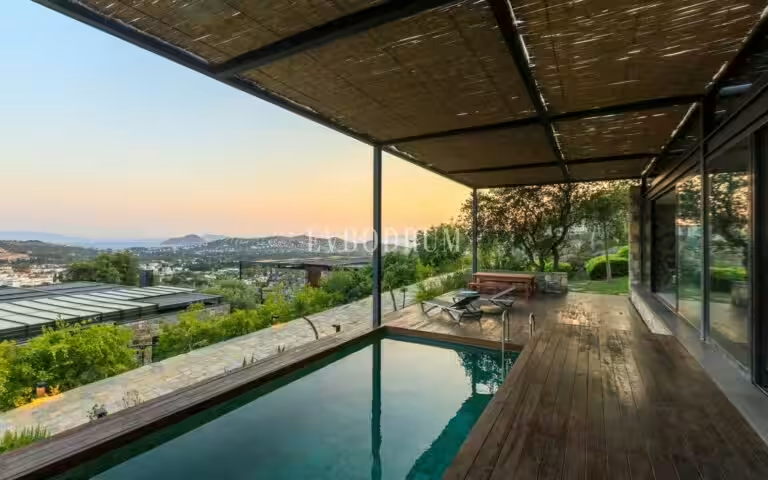
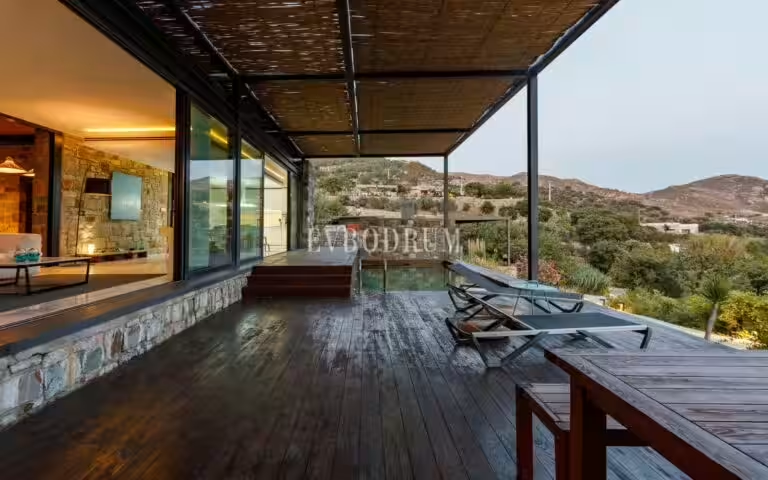
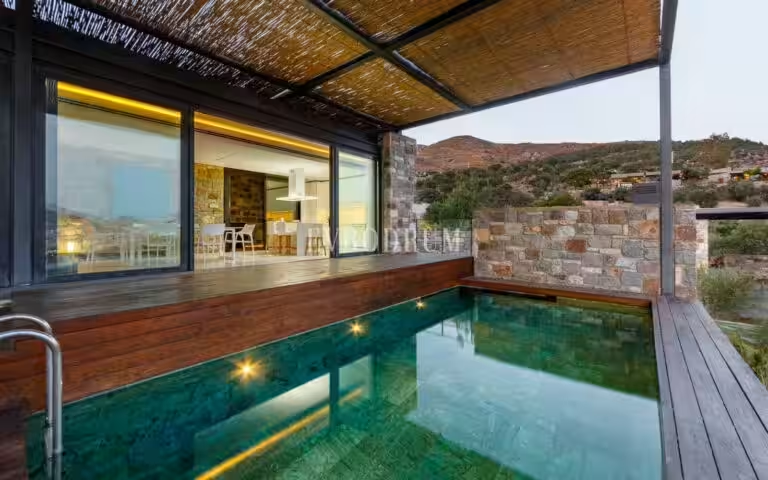
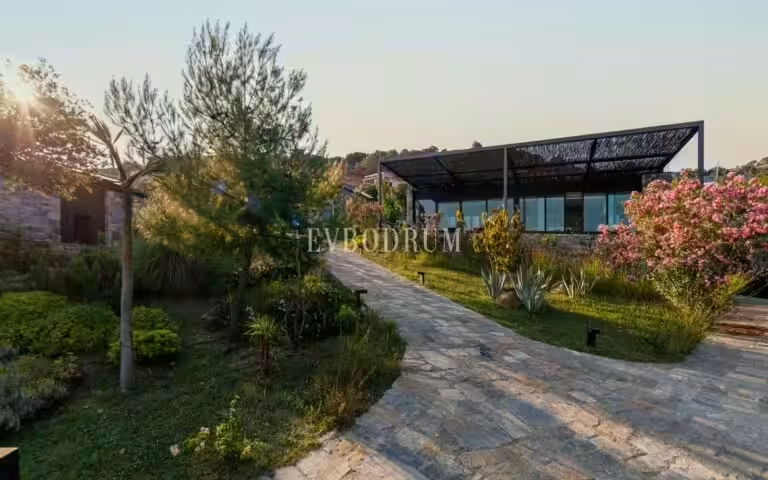
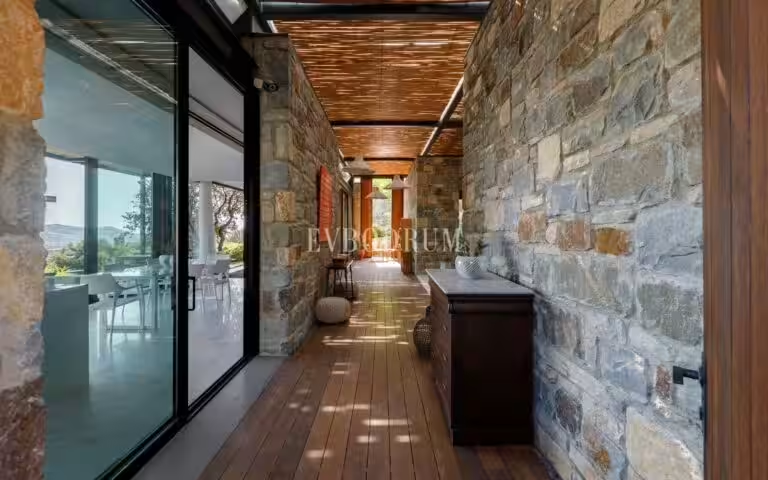
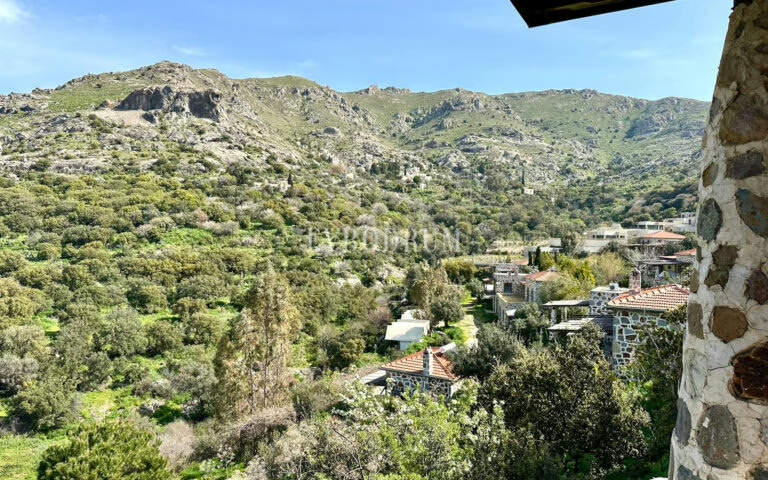
Protected heritage status limits supply permanently: large-scale new development is not possible, so existing properties are in high demand. Village houses, villas with gardens and small boutique properties are available.
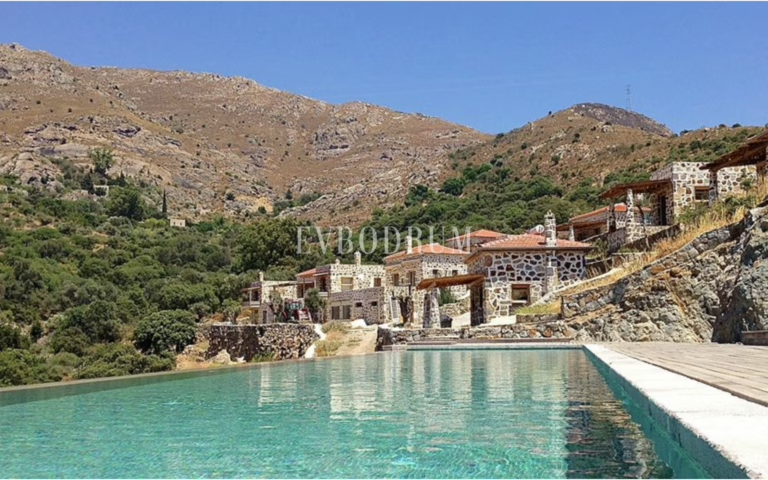
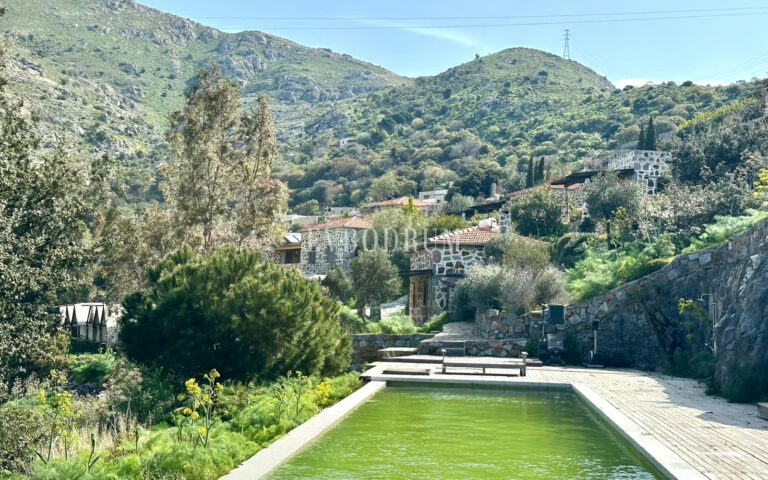
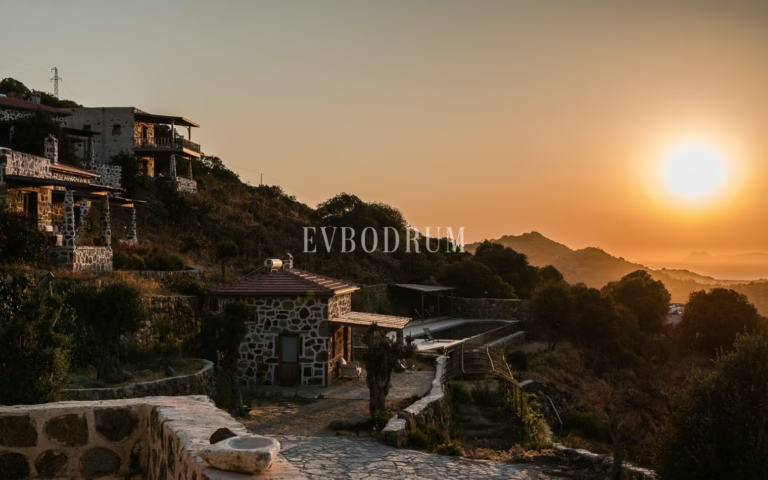
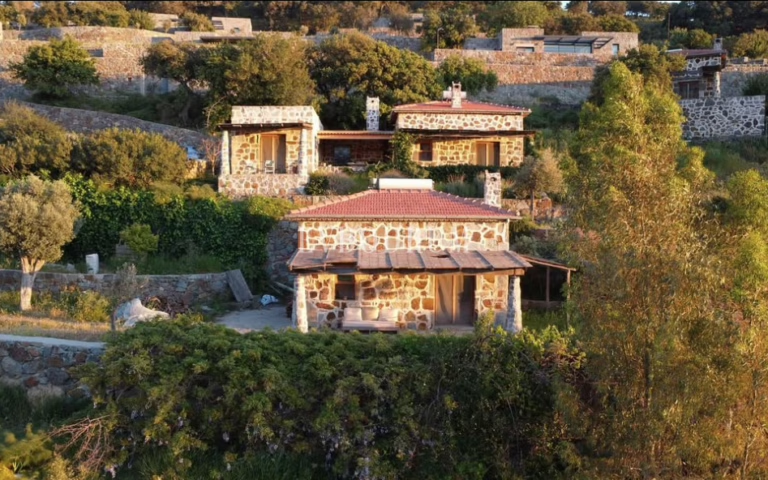
Our portfolio currently holds 5 villas for sale and 2 for rent in Gümüşlük. Euro-priced villas for sale range from €498,000 to €1,550,000; there is also an investment property of eight independent stone houses on a 10,000 m² plot, and a lira-priced detached house. Because supply is tight, the number of listings can change quickly by season.
The sunset over Rabbit Island, waterfront restaurants with tables set above the shallow sea, the ancient city of Myndos beneath its streets, and its bohemian character — artists, ceramicists and musicians have been coming here since the 1970s.
How do you get to Rabbit Island?
A natural sandbar connects the shore to the island; it is knee-deep even at its deepest. Hold your sandals and walk across in about five minutes — no boat needed. Cross in the afternoon, watch the sunset from the island’s west shore, then walk back to your table.
When is the best time to visit?
September is the best month: the sunset aligns exactly behind Rabbit Island, sea temperature peaks and the summer crowds begin to thin. June and October offer real calm. July–August is wonderful but busy — book tables at Limon and Mimoza 2–3 weeks ahead.
Is Gümüşlük good for families?
Yes. The shallow, calm bay is safe for children, the sandbar walk is a favourite family activity and the relaxed pace suits all ages. The crafts market at the village entrance is popular with children. There is no loud nightlife.
What is the classical music festival?
It is held every July–August in an ancient quarry in the village. Chamber orchestras and soloists perform on the ancient stone floor under Mediterranean stars, drawing visitors from across the country and from Europe.
Why was Gümüşlük never developed?
The village sits on the ancient city of Myndos. Because of the archaeological significance of the ground beneath it, heritage protection laws strictly limit building height and density across the village. That is why its low skyline and human scale survived while the rest of Bodrum developed.
How far is it from Bodrum centre?
About 18 km, roughly 25 minutes by car. By dolmuş, take the Gümüşlük line from Bodrum bus station — 35–45 minutes via Turgutreis, running every 30 minutes in summer. Yalıkavak is 45 minutes away.
Can I buy property in Gümüşlük?
Yes, though protected heritage status keeps supply limited and prices reflect that scarcity. Since no further large-scale development is possible, existing properties are highly sought after. Our portfolio currently holds 5 villas for sale; the euro-priced ones range from €498,000 to €1,550,000.