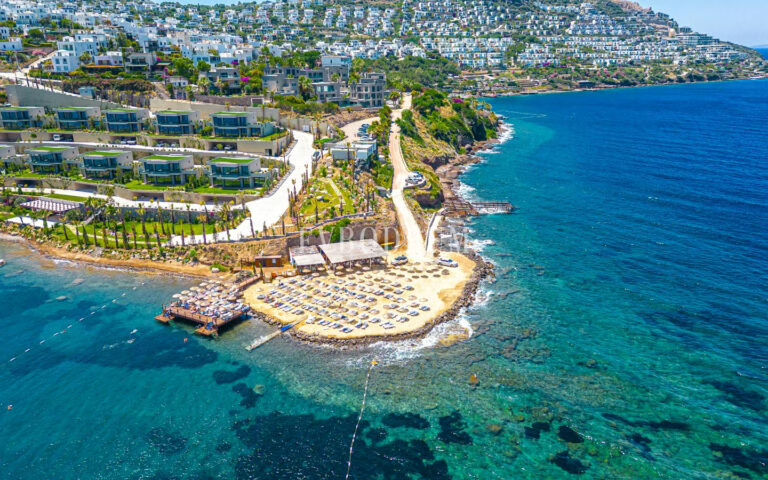
Gündoğan — the name means “where the sun rises” — is considered the oldest continuously inhabited village on the Bodrum peninsula. It sits on a sheltered, calm bay between Yalıkavak to the west and Türkbükü to the east. This guide covers the village, its legendary Thursday market, the bay, the restaurants and the practicalities of a visit.
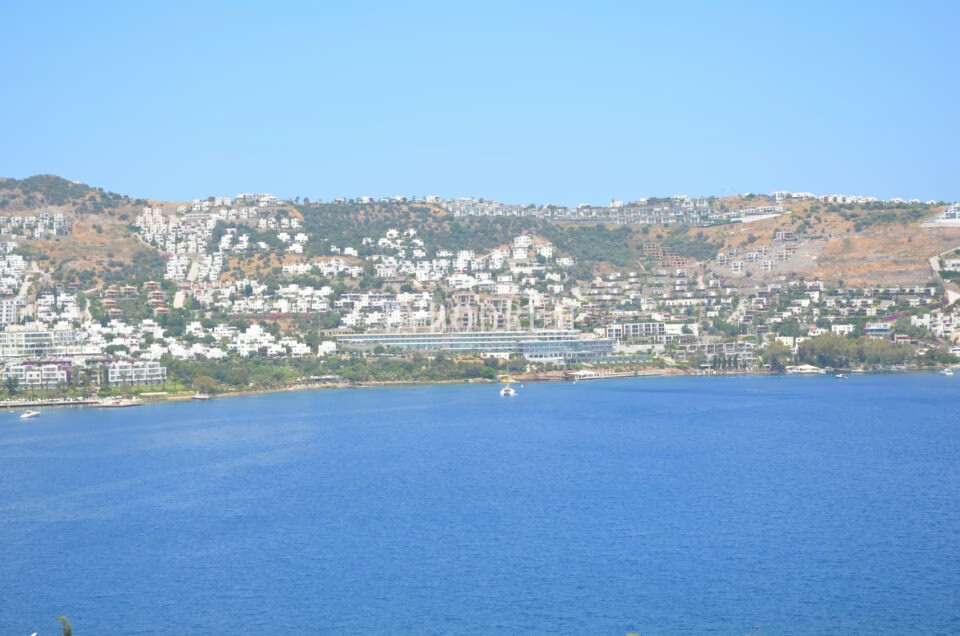
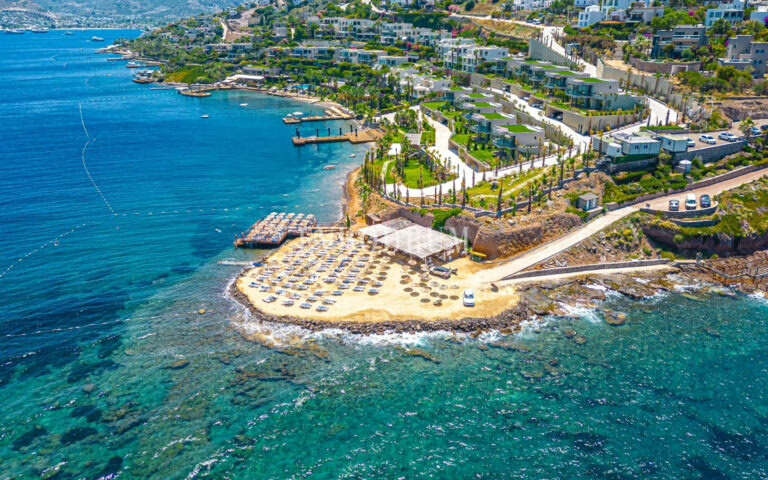
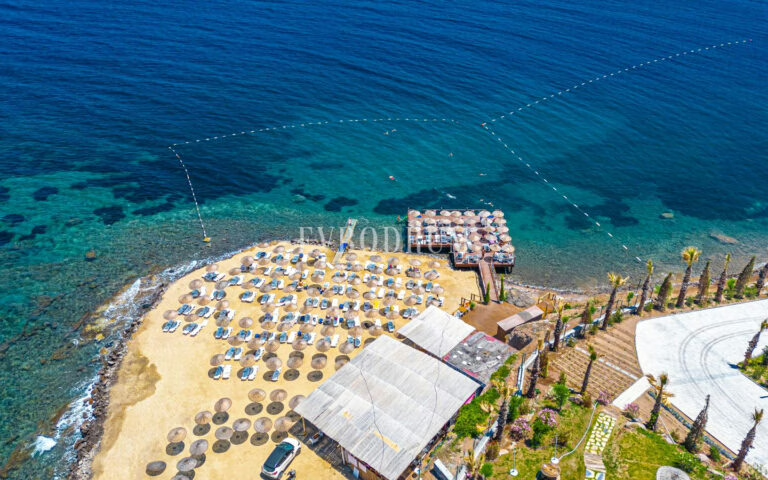
Gündoğan bay — among the calmest and clearest water on the peninsula
Where the peninsula began
While the rest of the coast turned into holiday complexes and marinas, Gündoğan absorbed the change gently and kept its village character. The bay curves softly, ringed by modest fishing boats, a small harbour wall and the scattered tables of waterfront restaurants that have been run here for generations.
Its strategic position — between Bodrum’s two most glamorous neighbourhoods — means you are always close to the action but never quite inside it. In Gündoğan you can have lunch from the fishermen’s morning catch, swim in clear water in the afternoon, then drive ten minutes to Yalıkavak for dinner. Residents value that balance.
Age of settlement
The peninsula’s oldest
Archaeological evidence and oral tradition confirm Gündoğan as the first permanent settlement on the peninsula — older even than the Carian settlements at the centre.
Position
Between two worlds
Eight minutes to Yalıkavak’s marina, ten to Türkbükü’s beach clubs — and yet entirely its own place. The best of both, without the rush of either.
Character
Plain, local, loved
It draws people who find Yalıkavak too busy and Gümbet too touristic. The demographic: families, retirees and people who have been coming here for thirty years.
Gündoğan’s living market
The weekly market is to Gündoğan what the marina is to Yalıkavak: the social centre of gravity, the weekly ritual, the moment the village shows its real character. On market day the village doubles in size and every café terrace is full by nine.
Unlike the more tourist-oriented markets in the larger centres, Gündoğan’s market serves the peninsula’s residents first — which means the quality is exceptional and the prices are fair. Professional chefs from restaurants across the peninsula drive here specifically for particular producers. The olive oil is cold-pressed from the groves you can see on the slope above. The tomatoes were picked yesterday morning. The honey comes from hives three kilometres away.
DayThursday
Best hourearly — before 10:00
Olive oilcold-pressed, grove to bottle
Cheesetulum, white, herbed varieties
Honeythyme, pine, wildflower
Alsodried herbs, village produce, crafts
The windmill ridge — a panorama of the village, the bay and Kos on the horizon
What to see and do
Gündoğan runs on habit rather than spectacle. The list of things to do is short, but each one is part of the village’s real daily life.
01
Signature · Thursday
The village market
Local farmers sell olives, cheese, honey, herbs and seasonal produce alongside artisans offering handmade goods. The atmosphere — chaotic, colourful, intensely human — is irreplaceable. Go early; the best produce is gone by ten.
02
Sea · 07:00–10:00
Gündoğan bay
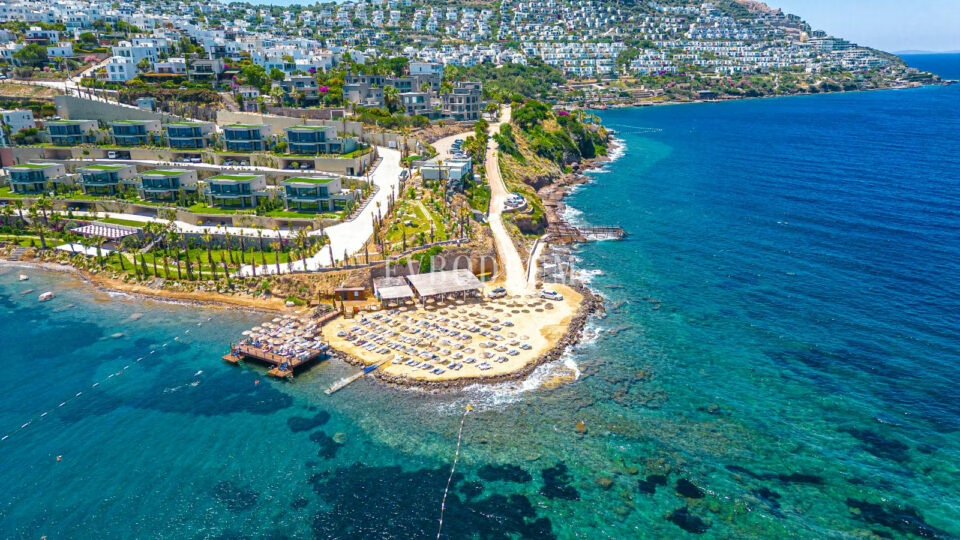
The calm, sheltered bay offers some of the cleanest swimming water on the peninsula; it is shallow and transparent near the shore, deepening gradually into turquoise. Early morning, before the sea breeze picks up, is best.
03
Slope · morning light
Olive grove walks
The slope above the village is covered in ancient olive groves; some trees are estimated to be over 800 years old. Walking paths wind between them with views of the bay below and the Greek islands on the horizon.
04
Cycling · 25 minutes
The peninsula route
Gündoğan sits on the peninsula’s main cycling route. The road through the village connects to a network of quiet coastal roads winding between olive groves, small coves and hilltop windmills. Türkbükü is 25 minutes away.
05
Sea · small harbour
Gulet day trips
Boat trips from Gündoğan’s small harbour tour the peninsula’s deserted northern coves — inaccessible by land, where the water is absolutely clear. Less commercial and more personal than those leaving from Bodrum centre.
06
Evening · harbour
Harbour sunset
A quieter, more intimate version of Gümüşlük’s famous sunset: the sun dropping behind the western hills, painting the bay amber and rose — watched from a café table with a glass of local white.
Where to eat
Gündoğan’s food scene is the antidote to the peninsula’s luxury dining circuit. Because the village has its own fishing fleet, the fish is the freshest on the peninsula; grilled sea bream, sea bass and red mullet are served plainly — lemon, olive oil and whatever herbs are in season. The cafés serve the full serpme breakfast of 15–20 plates.
01
Traditional · harbourside
Harbour fish restaurants
The plain fish restaurants along the harbour serve the village’s own catch directly. Plastic chairs, paper tablecloths, extraordinary freshness. The exact opposite of the marina restaurants, and often more satisfying. 200–500 TL per person.
02
Views · hillside
The Geriş restaurants
A short drive up into the hills above the village, Geriş holds a cluster of restaurants with elevated views over the bay. Authentic Turkish cooking, fresh fish and prawns in garlic butter — with rakı and a front-row sunset. A well-kept secret even among Bodrum regulars.
03
Everyday · all day
Village coffee houses
Traditional coffee-house culture is alive in Gündoğan: older men playing backgammon over endless small glasses of tea, families lingering over a late breakfast. These places form the village’s social fabric and welcome visitors generously.
04
Home cooking · lunch
Village lokantas
Home-style Turkish food with menus that change daily: dolma, beans in olive oil, stuffed peppers, lentil soup and whatever the cook decided to make that morning. Entirely authentic and entirely affordable.
Gündoğan is a village lived in year-round. About a quarter of its businesses stay open through the winter — making it one of the better off-season bases on the peninsula for a longer stay.
Sea
Blue Flag water quality
The bay consistently earns Blue Flag water-quality status. The absence of large-scale development nearby keeps the marine environment exceptionally clean and clear.
Land
Ancient olive groves
Some olive trees on the surrounding hills are estimated to be over 800 years old. Local producers still harvest them every year and press an oil counted among the finest in the Aegean.
Livelihood
An active fishing fleet
Gündoğan’s small fishing boats still work commercially. The boats’ morning return — and the informal fish market that follows — is a living part of Aegean culture.
Plan your visit
To Bodrum centre27 km · 30 min by car
By dolmuşBodrum–Yalıkavak line, 35 min
Dolmuş frequencyevery 20 min in summer
From Yalıkavak8 minutes
From Türkbükü10 minutes
Best monthsJune and September
Harbour restaurant200 – 500 TL per person
Mid-range500 – 900 TL per person
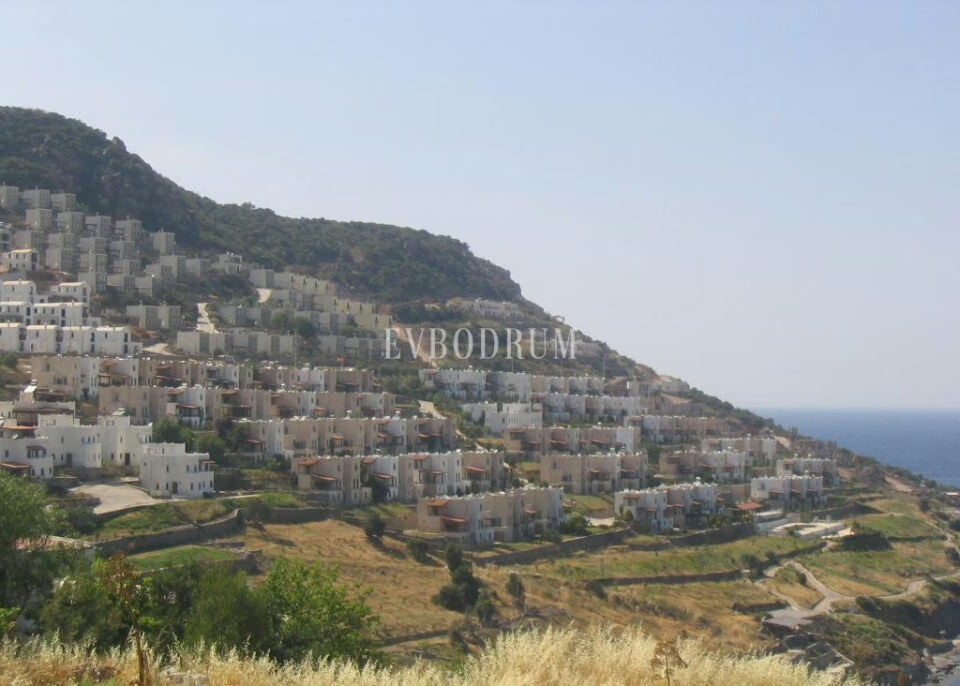
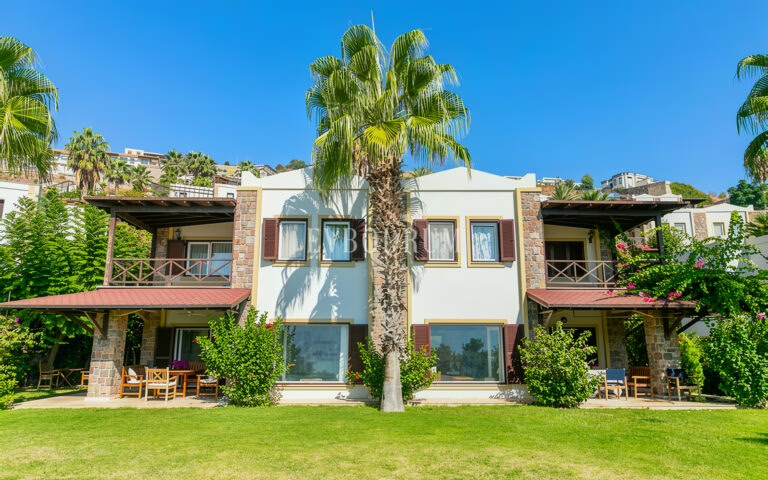
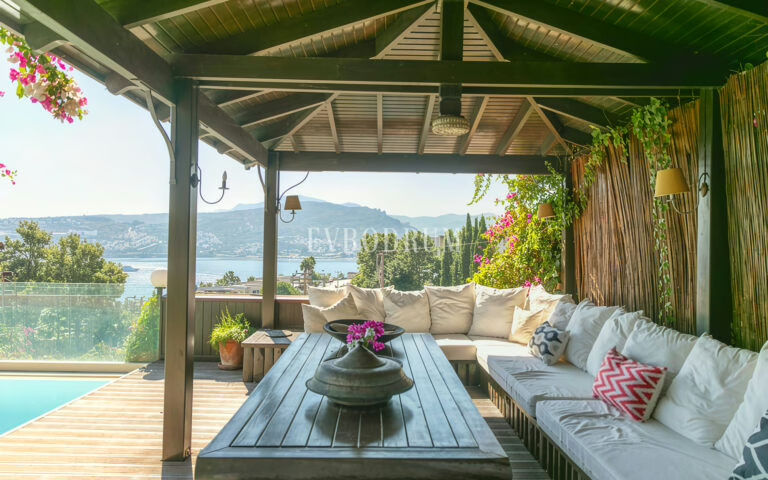
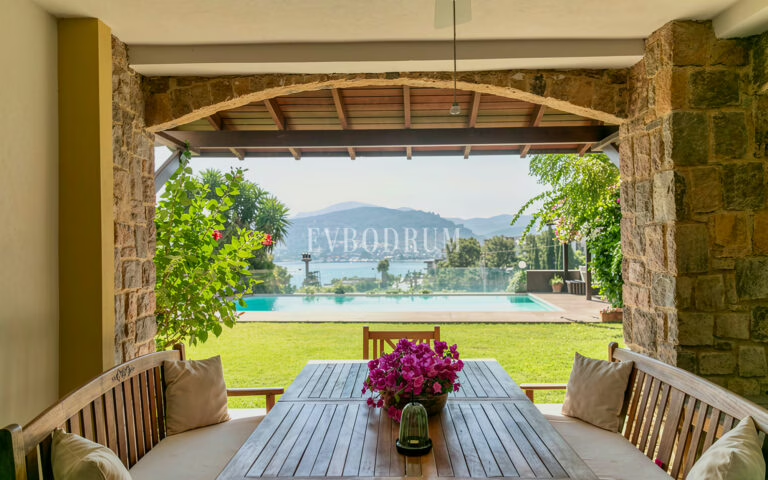
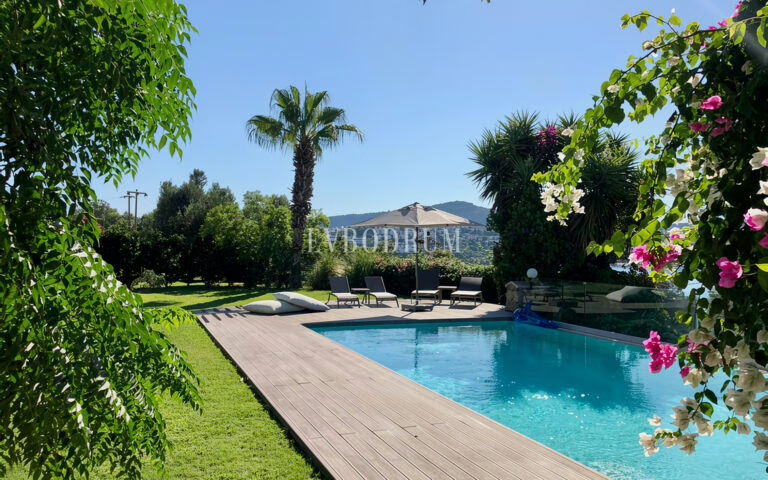
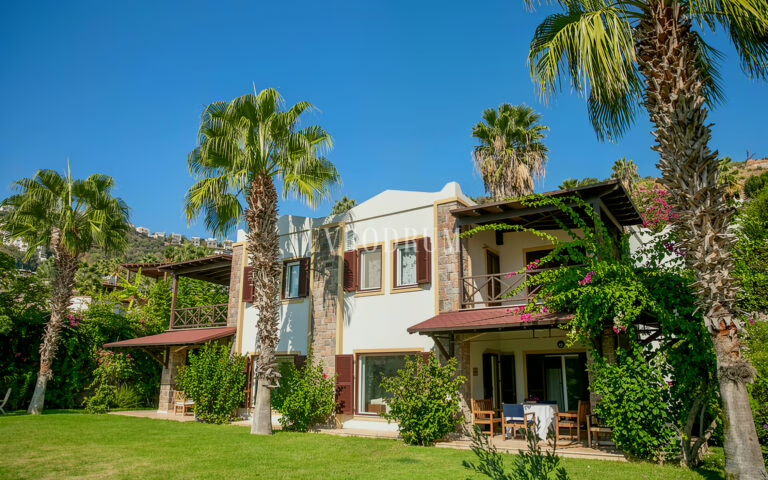
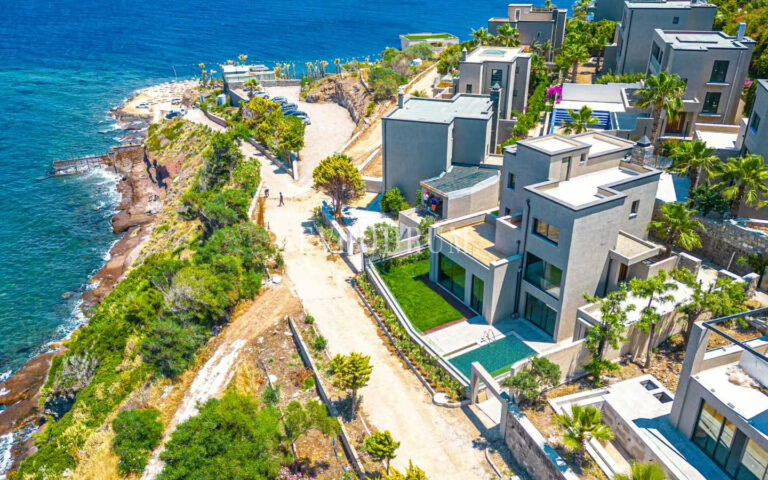
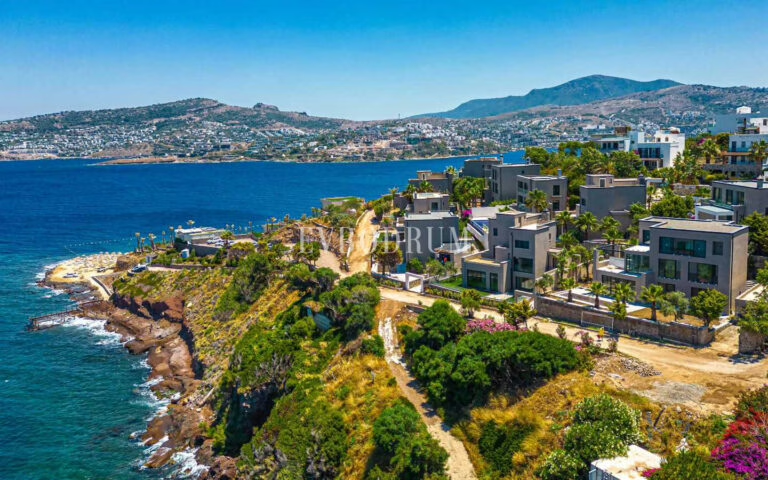
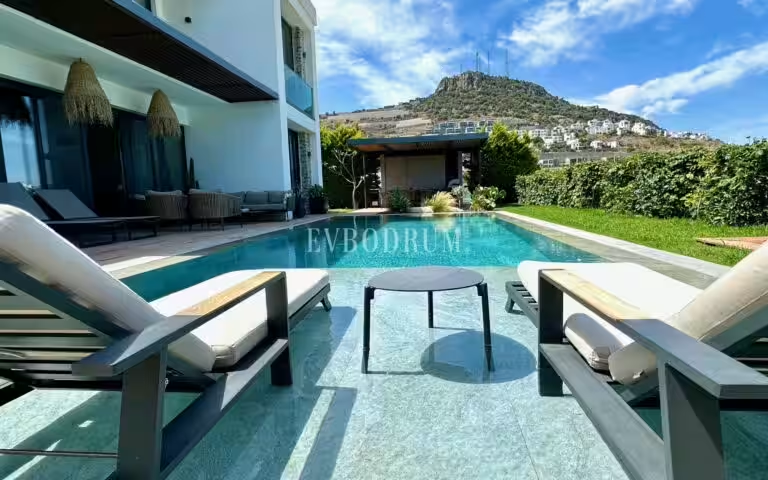
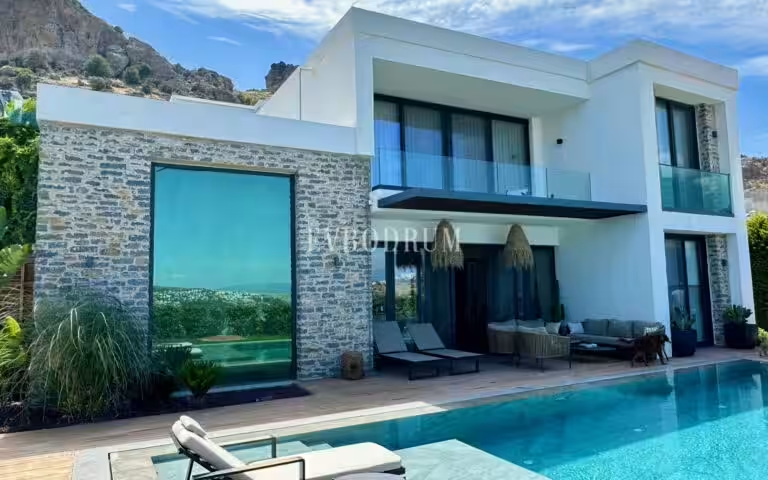
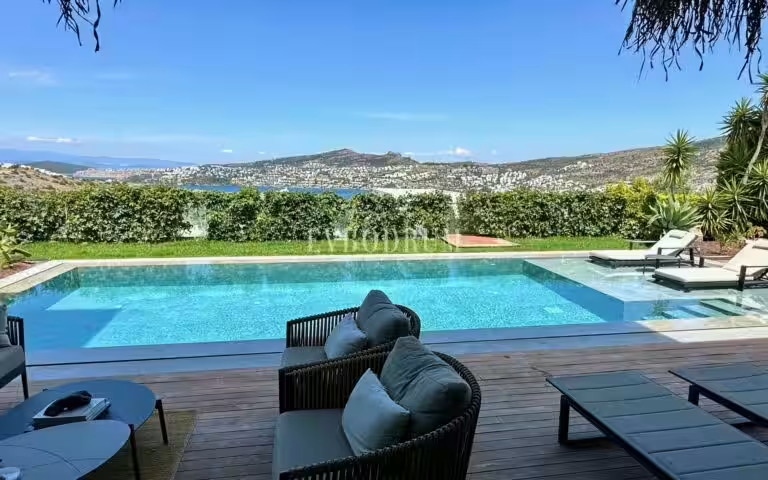
Where to stay. Holiday complexes dress the slope above the bay with pools and sea views; smaller guesthouses and boutique pensions are scattered through the village and are particularly good value. Accommodation runs 30–40% cheaper than the equivalent in Yalıkavak. Villa rentals are common for longer stays, with the advantage of using the village as a base for the whole peninsula.
Insider notes. Ask the fishermen directly when the boats come in; you can often buy the fish before it reaches the restaurants. The hillside restaurants at Geriş are hidden even from locals. The bay is best for swimming between 07:00 and 10:00, before the sea breeze starts. At the market, 200 TL fills a bag with local produce.
Property in Gündoğan
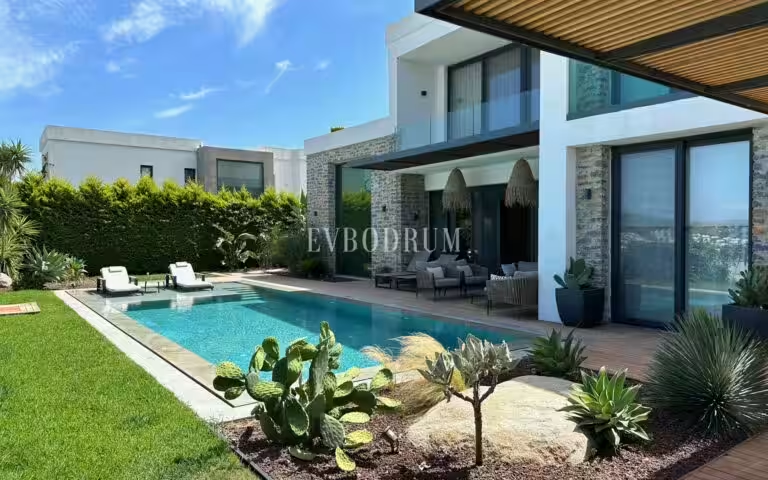
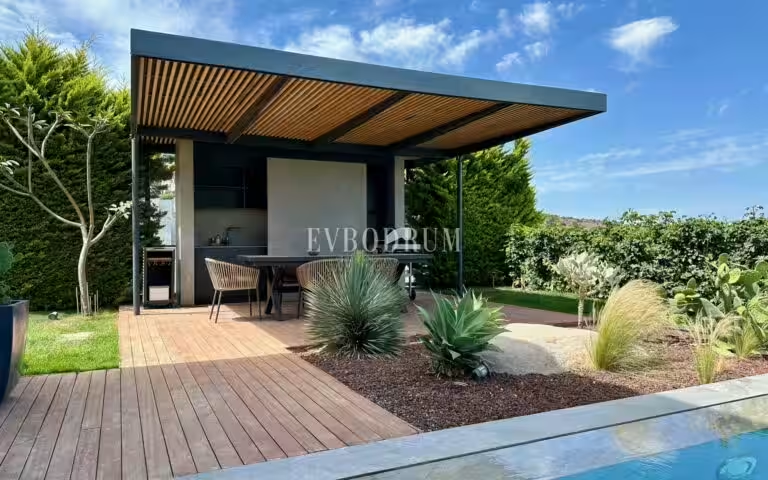
One distinction worth making:living in Gündoğan is markedly cheaper than in Yalıkavak or Türkbükü — that holds clearly for food, accommodation and the market. But property prices tell a different story: the front row of the bay is narrow and supply there is very limited, so villas close to the sea are priced at a premium.
Our portfolio currently holds 2 villas for sale, 1 residential plot and 1 villa for rent in Gündoğan. The villas for sale are €3,000,000 and $2,200,000 — both front-row or sea-view. More accessible prices exist in the complexes and guesthouse stock on the slope; supply in that segment changes quickly by season.
For being the oldest continuously inhabited settlement on the Bodrum peninsula; for its legendary Thursday market, its sheltered calm bay, its active fishing fleet and the genuine village character it has kept between the glamorous marinas of Yalıkavak and Türkbükü.
When is the Gündoğan market?
Traditionally on Thursdays. Local farmers sell cold-pressed olive oil, handmade cheeses, peninsula honey, dried herbs and seasonal vegetables. Go early — the best produce is gone by ten. Professional chefs from across the peninsula come specifically for particular producers.
How far is it from Bodrum centre?
About 27 km, roughly 30 minutes by car along the coast road. By dolmuş, take the Bodrum–Yalıkavak line, which stops at Gündoğan — around 35 minutes, every 20 minutes in summer. Yalıkavak is only 8 minutes east along the coast road, Türkbükü 10 minutes west.
Is Gündoğan good for families?
Yes — one of the best family destinations on the peninsula. The bay is calm, sheltered and shallow, and the water quality is excellent. The village pace is relaxed, prices are gentler than neighbouring Yalıkavak, and the market, harbour walks and gulet trips are family-friendly.
When is the best time to visit?
June and September are ideal — warm water, fewer crowds and easy access to restaurants. July–August is lively with families and domestic tourists. The Thursday market is always worth planning around. Winter is authentically quiet; about a quarter of businesses stay open year-round.
Is Gündoğan cheaper than Yalıkavak?
In cost of living, yes, markedly: harbour restaurants run 200–500 TL per person, accommodation is 30–40% cheaper than the equivalent in Yalıkavak, and the market is exceptional value. On the property side the gap is smaller — because the front row of the bay is narrow, villas near the sea are priced at a premium.
Can I buy property in Gündoğan?
Yes. There are holiday complexes on the slope, boutique pensions and villas popular for long stays. Our portfolio currently holds 2 villas for sale (€3,000,000 and $2,200,000), a residential plot and a villa for rent. The location — 8 minutes to Yalıkavak, 10 to Türkbükü — makes it strong value for peninsula living.
What are Gündoğan’s olive groves like?
The slope above the village is covered in ancient olive groves; some trees are estimated to be over 800 years old. Local producers still harvest them every year and press an oil counted among the finest in the Aegean. Walking paths offer views of the bay below and the Greek islands on the horizon; the oil is sold directly at the Thursday market.